Visit: https://readunsung.com/
In March 1945 the British Pacific Fleet stopped being Britain’s fleet in one important sense. It took an American task force number, adopted American signal books, and sailed under Admiral Spruance’s orders for the invasion of Okinawa. Its admirals then put down in writing, for their own superiors, what joining the American way of war at sea was actually like.
This is the story of those first weeks as the British officers recorded them: the tankers, the rescue submarines, the Easter morning kamikaze, and the conference minutes from Quebec that explain why the Americans had doubts in the first place.
Topics covered:
The British Pacific Fleet becoming Task Force 57 under the US Fifth Fleet
Adopting American signal books, codes and liaison teams
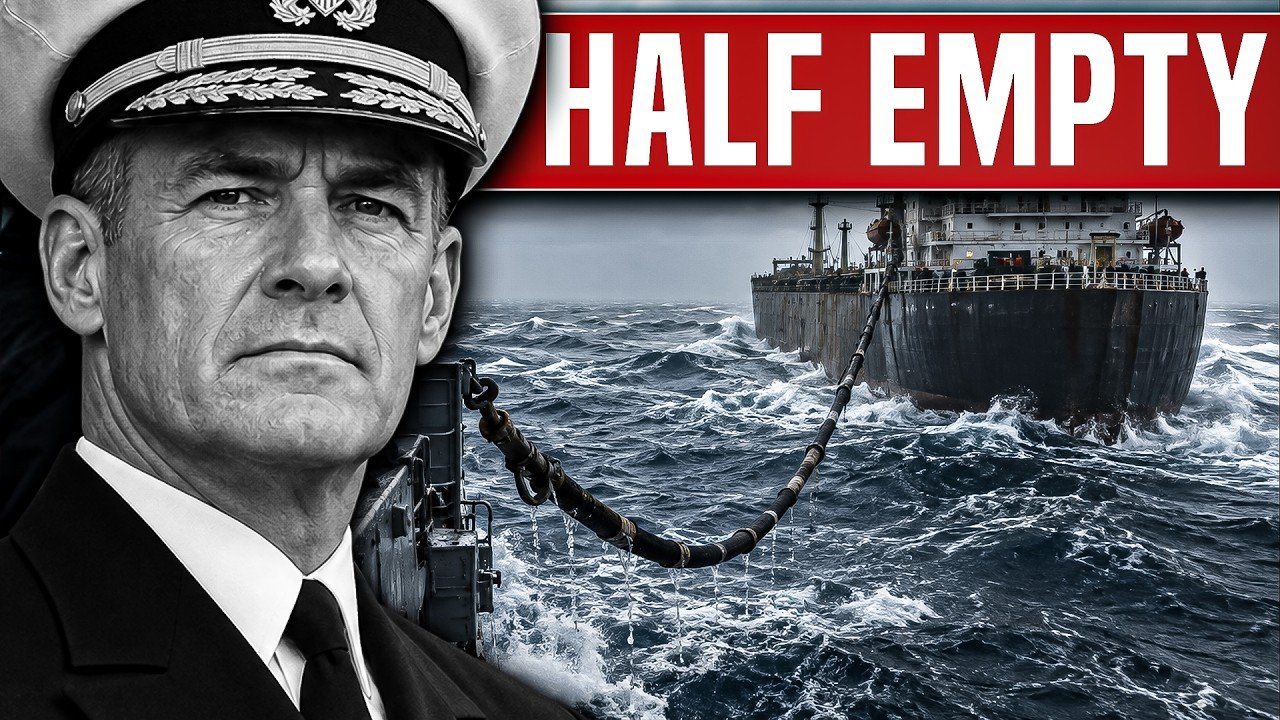
Replenishment at sea: British fleet train vs the American system
Strikes on the Sakishima Gunto airfields (Miyako and Ishigaki)
The kamikaze hit on HMS Indefatigable, 1 April 1945
US lifeguard submarines and the USS Kingfish
An American liaison officer’s verdict on the British carriers
Admiral King’s objection at the Quebec Conference, September 1944
Sources used:
Supplement to the London Gazette No. 38308 (2 June 1948): Fraser’s despatch, Rawlings’ narrative and covering letter, Vian’s report
Vice-Admiral Second-in-Command BPF (Rawlings), War Diaries 1 to 3, ADM 199/1478 (naval-history.net transcription)
Lt Cdr H.A. Rowe USN, Fighter Direction Liaison Officer’s report, HMS Indomitable, 18 April 1945 (via armouredcarriers.com)
FRUS, Conference at Quebec 1944, Combined Chiefs of Staff 174th meeting, 14 September 1944
Worrall R. Carter, Beans, Bullets, and Black Oil (US Navy, 1953)
G.D. Franklin, “Learning to Learn: The Royal Navy in the Pacific, 1945,” The Naval Review
David Hobbs, “The Royal Navy’s Pacific Strike Force,” Naval History, January 2013
source